
Phone cameras have outgrown the old standard of mobile lenses.
With each new generation, they have become sharper, more capable, and more demanding — with better sensors, more shooting control, stronger computational imaging, and now even AI-assisted processing.
In the last 12 months, flagship phones have been used more confidently across short films, music videos, studio portraits, and cinematic productions.
The upgrade is clear. Apple’s iPhone 17 Pro and iPhone 17 Pro Max now feature 48MP across all three rear cameras, while Samsung’s Galaxy S26 Ultra combines a 200MP wide camera with a 50MP ultra-wide.
The phone is no longer just an everyday camera for casual moments. It can be so much more.
But while phone cameras have evolved rapidly, much of the mobile optics category still reflects an earlier era — designed around older camera systems, smaller sensors, and lower optical demands.
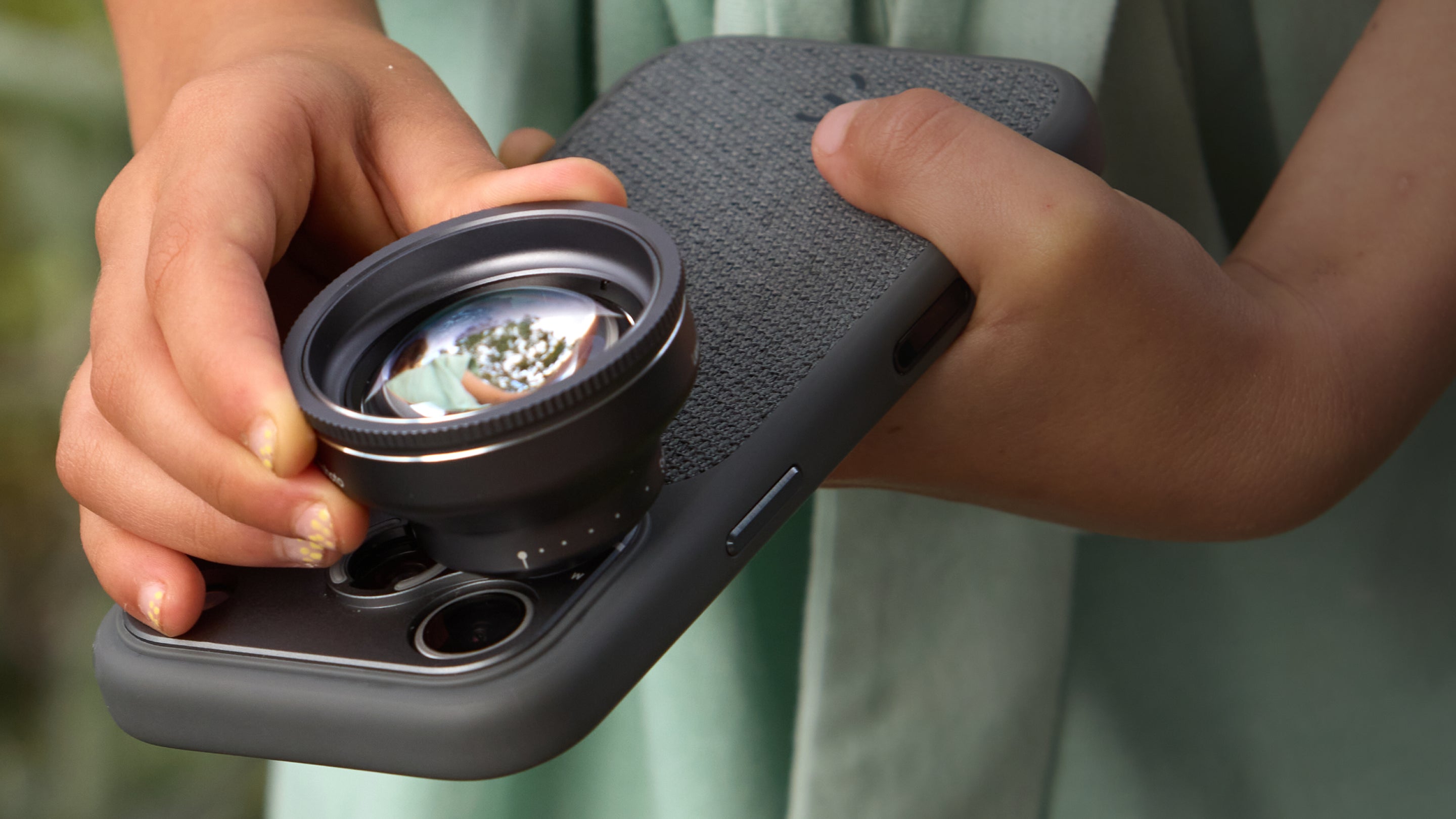
Most of the mobile-lens category was developed in an earlier phone era, when sensors were smaller and camera systems were less demanding. Some big names in the mobile optics space have long stopped developing new mobile lenses that cater to newer phone builds. V-Series was built with today’s newer, more capable phone cameras in mind.
That gap is exactly why V-Series exists.
It was built for the new era of mobile image-making — not just to change perspective, but to preserve more of the image through better control of light, color, and clarity from the very start.
At its core, V-Series is about holding onto more of what matters.
More sharpness. More contrast. More color accuracy. More control when the light gets complicated.
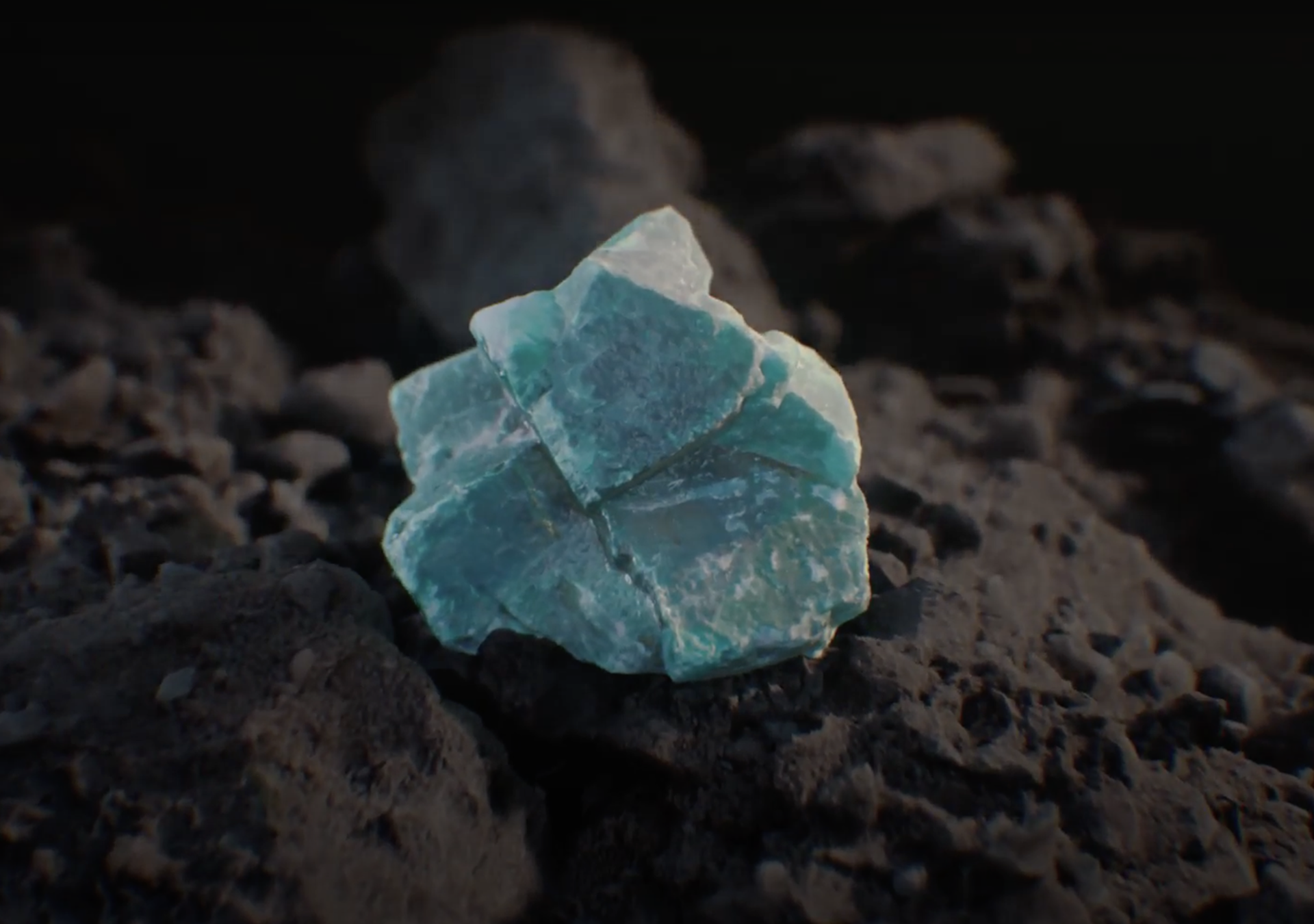
That comes from a deeper optical build: a far more advanced coating system, up to 7 fluorite crystal elements, and a refined internal optical structure designed for the demands of newer phone cameras.
Designed for the sensors of today
As phone sensors have become more advanced, light has to be shaped more carefully, bent more precisely, and delivered more cleanly onto the sensor. Otherwise, the camera never really gets to operate at full capacity.
That is why V-Series uses a more refined optical design — built for the larger, more advanced sensors now found in flagship phones.

This is not only about adding more glass. It is about how the optics are grouped, how the light is guided, and how effectively the lens can deliver information to the sensor. A better optical structure helps the camera resolve detail more cleanly, hold sharpness more consistently, and keep the image more stable across the frame.
Fluorite has long belonged to serious optics
In high-end optical design, fluorite has long been used because it helps control light with greater precision than ordinary glass. It is especially valued for how effectively it helps reduce chromatic aberration and preserve image accuracy.
Major traditional lens brands like Canon, Nikon and even the pro-tier Sony G-Master, frequently use Fluorite elements in their optics. That is why fluorite has long been associated with more advanced optics: it supports a cleaner, sharper, more precise rendering of the scene.
V-Series: World’s First Full-Fluorite Optics for Mobile
In V-Series, fluorite does not appear as a selective upgrade. It is built into every optical element in the lens — a world-first approach for smartphone lenses.
That is what we mean by full-fluorite optics: fluorite crystal throughout the optical system, not just in a few key pieces of glass.

The benefit is not only technical. It is visual.
Better control of light and color from the start. Cleaner edges. Sharper detail. A more resolved image with less optical compromise.
Major mobile-lens brands still tend to describe coatings in broader terms: Moment lists “multi-layer, low flare, broadband anti-reflection,” SANDMARC uses “multi-coated optics,” and Beastgrip specifies “multi-layer, anti-reflection broadband 400nm–700nm.” V-Series goes much deeper into the coating architecture itself: up to 14 specialized layers per optical element, and up to 98 advanced coating layers per lens.
More control when light gets harder
When light becomes more difficult — bright skies, reflections, glass, water, night scenes, or strong backlight — image quality often starts to break down. Contrast drops. Flare increases. Highlights can feel messier. The image starts to lose definition.
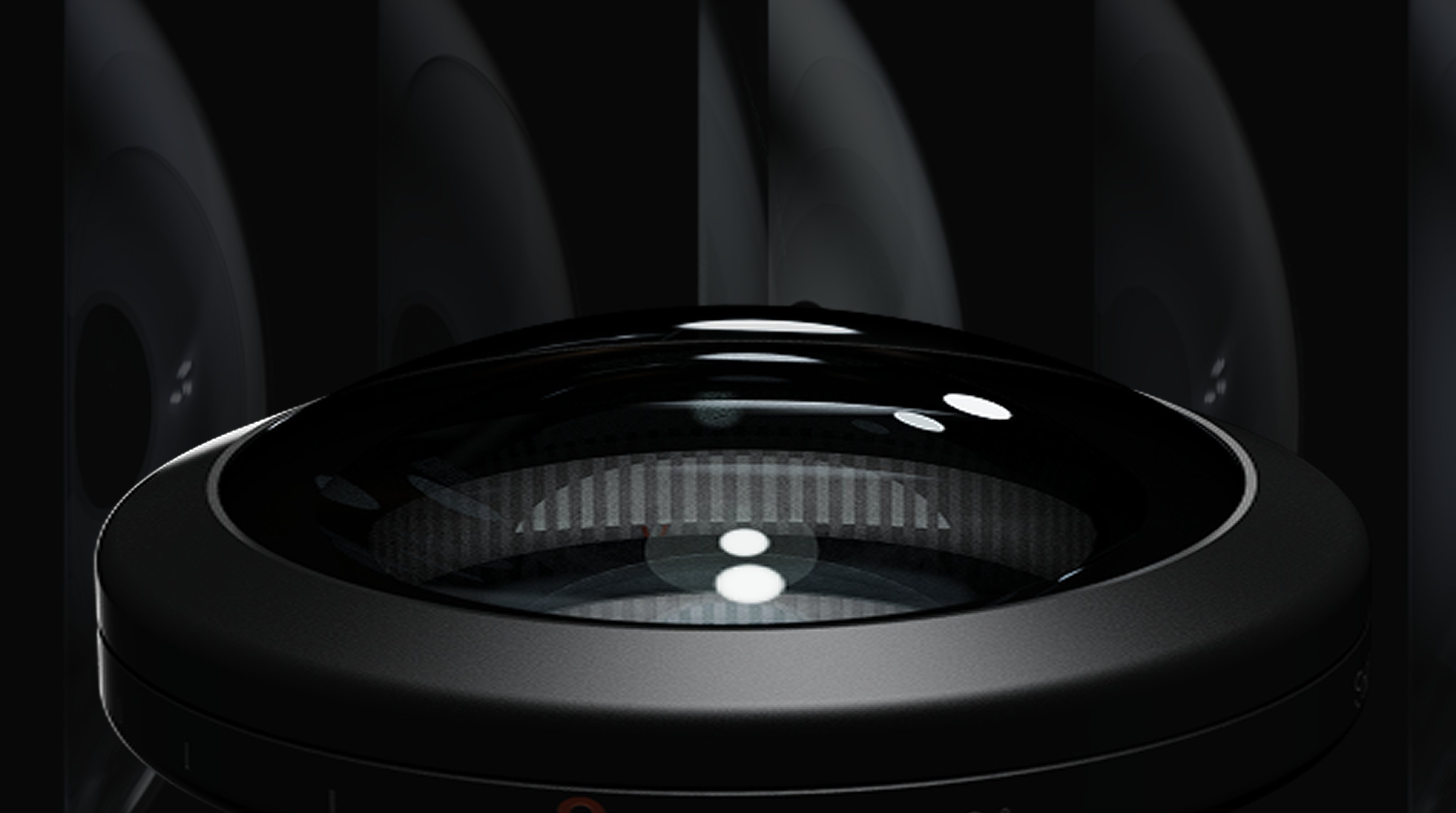
That is why V-Series uses up to 14 specialized layers per optical element, and up to 98 advanced coating layers per lens.

Those coatings help manage what happens as light passes through the lens. They reduce unwanted reflections, help maintain contrast, and keep stray light from flattening the image. In practical use, that means cleaner highlights, better flare control, stronger contrast, and a frame that holds together better when the scene is no longer easy.
So this is not just about “more coatings.”
It is about protecting image quality in the moments where weaker optics often start to fall apart.
The result: Ultra-low Chromatic Aberration
This is one of the outcomes that matters most.
Chromatic aberration is the unwanted color fringing that can show up around bright edges, reflective lines, and fine details. When it appears, an image can feel less sharp, less clean, and less resolved.
V-Series is built to drive that down.

This is where the deeper coatings, fluorite crystal elements, and more advanced optical structure all come together.
The result is ultra-low chromatic aberration — which means cleaner edges, more faithful color, and a final image that feels sharper and more finished. The coatings help control stray light. The fluorite helps control color separation. The optical design helps deliver light more accurately onto the sensor.
From LensUltra to V-Series
LensUltra made mobile lenses more approachable, more capable, and more rewarding for users ready to explore further. It gave creators and everyday users a stronger way into the category, and for many, it became the series that made mobile optics feel real.
V-Series builds from there.
It is designed for a more intentional kind of user — someone who wants not only a new perspective, but a higher level of optical performance behind it. More refined materials. More advanced engineering. More control over the image from the start.
That is the progression.
LensUltra is where many users begin to discover what mobile optics can do.
V-Series is where that experience becomes more serious, more deliberate, and more exacting.
Latest update: V.Series is now available for pre-ordering.
The Next Generation of Optics
Preorder Your V-Series Today.
Take your smartphone photography further. Secure your V-Series lenses now and be among the first to experience unparalleled clarity, control, and refined image-making.
Limited First Batch Availability!
Preorder now to guarantee your spot in our initial shipping wave.
Share:
Meet V-Series: A New Standard for Mobile Optics
The Shift Behind What’s Coming Next